Inter-faith · Inter-caste · India
Two people said yes. Everyone else said no.
You found each other. Then caste came up, or religion did — Hindu and Muslim, Hindu and Christian, one gotra and another — and suddenly the two of you were the smallest part of the conversation.
CanWeMarry is where people in that situation find each other, think it through, and get to mediators, counsellors and lawyers who actually know Indian family law. The problem was never the two of you.
Everything you write starts private — visible to nobody, not even a moderator — and only you decide if that changes. Nothing here is indexed by search engines. How it works · Trust and safety

Three weddings. One question.
Nobody in these photographs chose the family they were born into. That is the only thing standing between a lot of people and the day they actually want.
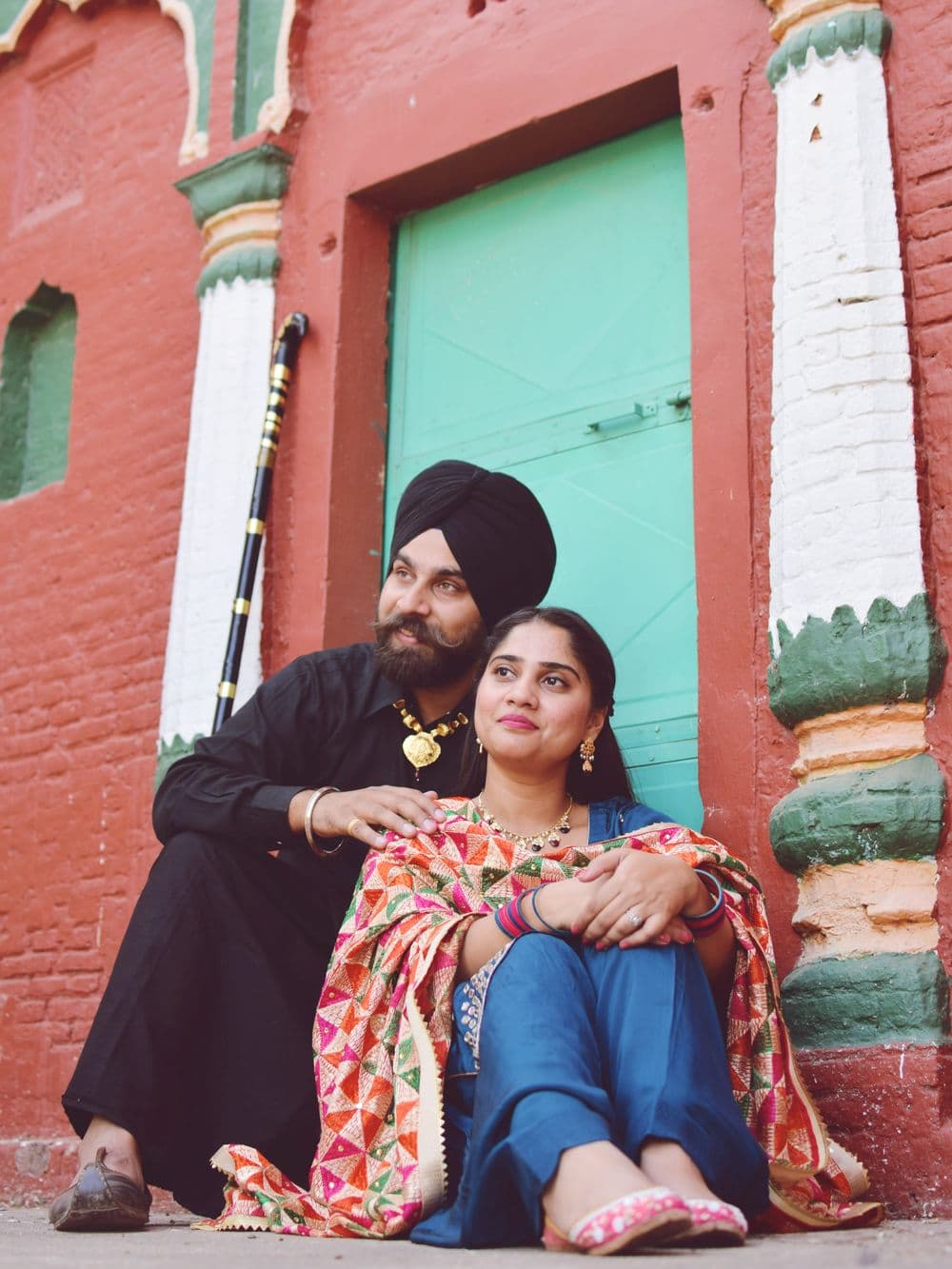


Photographs are illustrative. Nobody shown here is a member of CanWeMarry.
Start by knowing where you stand
You are almost certainly allowed to marry. Most people are told otherwise by people who have never read the Act.
 Law3 min read
You can marry without either of you converting
The Special Marriage Act is the civil route that exists precisely for couples from different faiths and different castes. What it actually requires — including the thirty-day notice that catches most people out.
- Law2 min read
The courts settled this a long time ago
Three judgments worth knowing when a family says an inter-caste or interfaith marriage “is not allowed”. It is allowed, and the Supreme Court has said so more than once.
- Safety2 min read
If it stops being safe
What to do, in order, when opposition turns into being confined, followed, threatened, or reported missing by your own family. Worth reading before you need it.
How it works
Three steps, each of which you control.
Step 1: Write it down, privately
What was said at home. What your parents are afraid of. What you have already tried. It is visible to nobody but you, and it stays that way until you decide otherwise.
Step 2: Decide who sees it
Keep it to yourself, share it with one community, or open it wider. Anyone you name — a sibling, a cousin, a friend — has to agree before they appear at all.
Step 3: Take the help you want
People who have had this exact conversation with their own families can offer to stand with you. Every offer waits for your answer, and you can change it later.
Why community support matters

Every family in India knows how to put on a wedding. Far fewer know what to do when the two people involved come from different sides of a line somebody else drew.
The two choices you are offered are both bad
Give up the person, or give up the family. Almost everything written about this assumes you will pick one. Most people are looking for the third thing, and there is very little help for that.
Someone has already had your conversation
A Muslim woman whose parents came round. A Dalit man whose did not. They know which words landed and which made it worse — and that is not in any article.
The law is more on your side than you think
The Special Marriage Act exists. So do mediators, and lawyers who do this every week. Knowing what is actually possible changes the conversation at home.
What you can do here
Write your case
Set out what is happening, privately, and decide later who should see it.
Offer support
Ask to stand with someone. They decide whether to accept.
Join a community
Find a group organised around a shared situation or place.
Find real help
Mediation, counselling, Indian marriage law and safety planning.
Safety and privacy
These are built into how the software works, not just into what we ask people to do.
What it is
- A place to find people who understand what you are going through
- Support in thinking through a difficult family situation
- A route to mediators, counsellors and legal information
- A community that participates only when invited
What it is not
- A dating or matchmaking service
- A way to pressure, confront or expose anyone
- A substitute for legal advice or emergency help
- A place to publish information about people who have not agreed to it
You can invite someone into a case only if they already have an account and can answer for themselves. Until they accept, nobody can tell who they are — there is no field anywhere in the system for the name or contact details of someone who has not agreed to appear.
An illustration
Not a real case. We do not publish accounts of people's marriages as marketing.

Illustrative example
What a case tends to look like
Someone writes a few paragraphs about parents who will not meet their partner because he is from another faith. They keep it private at first, invite a sister who agrees to take part, and later open it to one community. Two people whose families came round in the end offer support. A volunteer points them to a mediation service in their city.
Practical help
Added and checked by volunteers, not generated.
The resource directory lists mediation services, counselling, legal information and safety planning. Where a category is empty, nothing has been verified for it yet — that is not the same as no help existing.

Start where you are.
You do not have to decide anything today. Writing it down privately is a complete first step, and nothing you write is shared until you choose to share it.